Pest Control Services for Safer Living and Better Peace of Mind
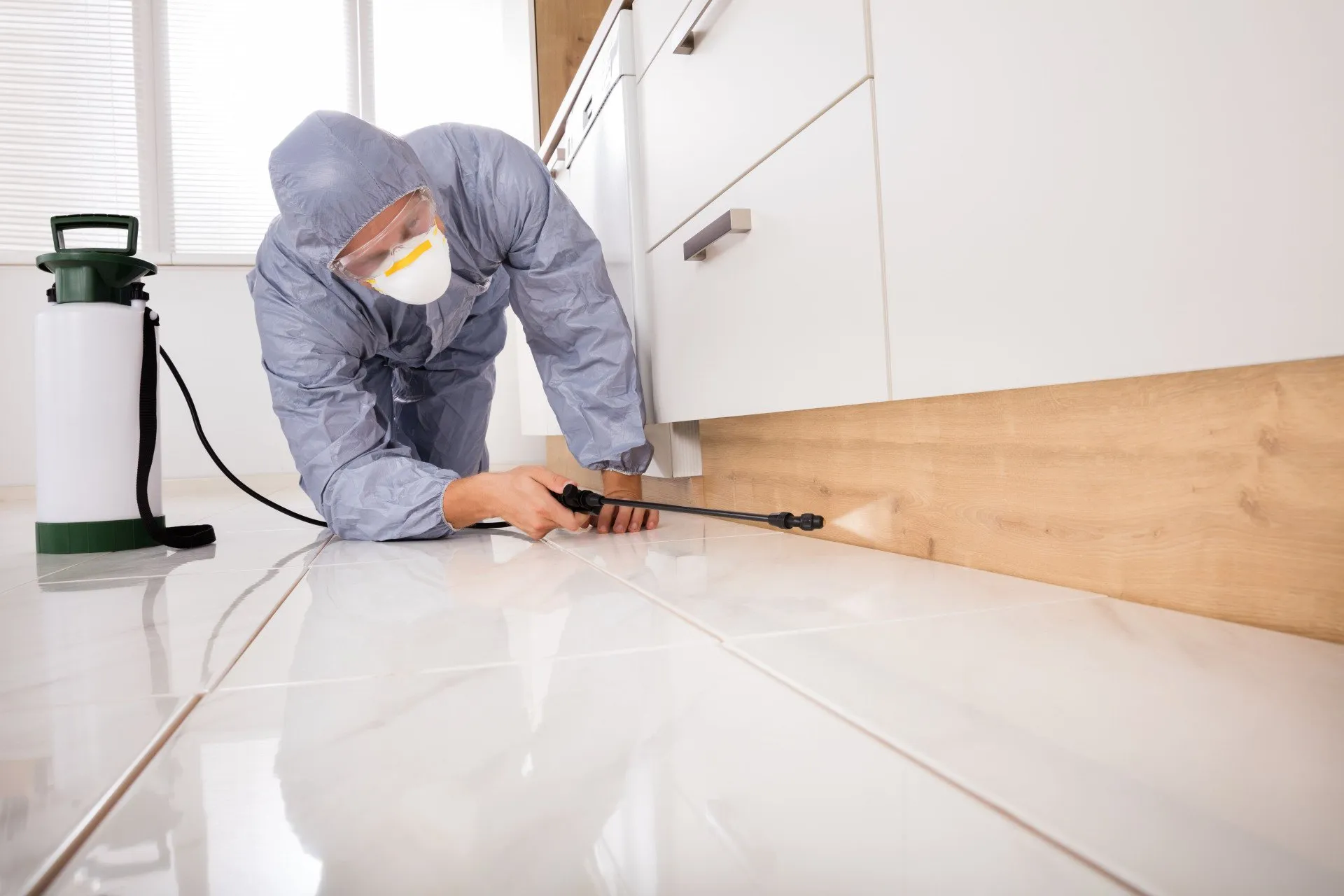
A home can look spotless and still harbor a pest problem. I have seen immaculate kitchens with German cockroaches tucked behind warm appliances, tidy attics hosting mice, and landscaped yards masking termite activity along the foundation. That disconnect is exactly why Pest Control Services matter. They are not just about getting rid of something unpleasant. They are about protecting health, preserving property, and removing a low-grade stress that can wear on people more than they realize.
Most people call for help when a problem becomes visible. Ants trail across the counter. Wasps build under the eaves. Droppings appear in the pantry. By that point, the issue has often been developing quietly for weeks or months. Pests are opportunists. They follow food, moisture, shelter, and access. A leaking hose bib, a garage door that does not seal tightly, or pet food left out overnight can be enough to start a cycle that becomes expensive and disruptive.
Professional service brings more than product application. It brings inspection, pattern recognition, and a plan. A seasoned technician knows where activity starts, how a species behaves through the seasons, and which conditions allow it to return. That experience is what separates a short-lived fix from lasting control.
Why pest problems affect more than comfort
People often think first about nuisance. That is understandable. No one wants to hear scratching in a wall at 2 a.m. Or find silverfish in a bathroom drawer. But the practical consequences run deeper.
Rodents contaminate surfaces and stored food with urine and droppings. Cockroaches can aggravate allergies and asthma, especially in children. Mosquitoes and ticks raise legitimate health concerns in many regions. Termites and certain wood-destroying organisms can undermine structural components over time, sometimes with very little visible evidence until damage is already significant.
There is also the emotional side, which should not be minimized. A pest issue changes how people use their space. They stop inviting guests over. They avoid certain rooms. They sleep poorly. Parents worry about children crawling on floors or pets nosing around baseboards where activity has been found. Even after a problem is treated, people often remain uneasy until they understand what happened and how recurrence will be prevented.
That is where a well-run pest control program earns trust. It replaces uncertainty with a clear picture. Here is the pest. Here is why it is there. Here is how we will address it. Here is what you can do to help. The value is not only elimination. It is reassurance backed by competent work.
The difference between do-it-yourself efforts and professional judgment
Store-bought sprays and traps can help in limited situations. If a few ants wander in during a heat wave, a homeowner may knock that back temporarily. If a single wasp nest is exposed and safely accessible, treatment might be straightforward. But many infestations are not surface problems. They are system problems. The visible pest is only the symptom.
A classic example is cockroach control in multifamily housing. Residents often spray what they can see, usually baseboards and corners. Meanwhile, the real activity remains behind refrigerators, inside wall voids, and around plumbing penetrations. Spraying the wrong product in the wrong place can scatter the population and make monitoring harder. The same pattern shows up with rodents. People place a few traps in the kitchen but overlook entry points around utility lines, attic vents, or garage gaps. The captures continue because the route remains open.
Professionals are trained to think in terms of biology and harborage. They ask where pests are breeding, feeding, resting, and entering. They know when a moisture issue is the real driver, when sanitation is adequate but exclusion is weak, and when a recurring outdoor condition is pushing activity indoors. This kind of judgment saves time and often reduces chemical use because treatments can be targeted instead of broad and repetitive.
There is also the matter of safety. Misapplied products around food prep areas, sleeping spaces, aquariums, children’s toys, or pet zones create unnecessary risk. A reputable technician explains what is being used, where it will be placed, and what precautions matter before and after service. That clarity is one of the strongest arguments for professional care.
What good Pest Control Services actually include
The phrase can sound broad, and that is because it covers more than one kind of work. A strong service visit usually begins with a thorough inspection, and that inspection should guide everything that follows. If someone arrives and starts treating before understanding the problem, that is not a good sign.
At a practical level, professional service often involves a mix of monitoring, exclusion advice, habitat correction, and direct treatment. Monitoring may include glue boards, mechanical traps, bait stations, or simple visual indicators placed in strategic areas. Exclusion is the work of sealing access points, improving door sweeps, screening vents, and addressing cracks or utility gaps. Habitat correction means reducing the conditions pests need, often moisture, clutter, overgrown vegetation, or food access.
Treatment methods vary widely depending on the pest and the setting. Ant control may center on baiting the colony rather than spraying trails. Bed bug work can involve a combination of detailed inspection, mechanical removal, encasements, and carefully chosen products or heat treatments. Rodent programs commonly rely on trapping and exclusion rather than poison inside living spaces. Termite control demands a very different level of planning, often including soil treatments, baiting systems, or both.
A good provider also explains timing. Some problems respond in days. Others take a few weeks and several visits because life cycles matter. Flea and bed bug control, for instance, rarely succeed through impatience. Likewise, outdoor mosquito reduction may improve comfort quickly but still needs ongoing attention during peak season.
Common pests, and why each one demands a different strategy
Treating “pests” as one category leads to weak results. Species differ in behavior, nesting habits, movement patterns, and vulnerability to control methods. That is why generic treatment plans often disappoint.
Ants are a perfect example. Odorous house ants behave differently from carpenter ants, and the distinction https://archerlflb212.yousher.com/how-weather-changes-affect-the-need-for-pest-control-services matters. One tends to trail aggressively to food and split colonies when disturbed. The other can indicate moisture-damaged wood and a more serious hidden issue. A quick spray may erase the visible line of ants on a countertop but do little to affect the colony itself.
Rodents call for another level of detective work. Mice can enter through openings roughly the size of a dime, sometimes smaller depending on the material and location. They travel close to edges, leave grease marks over time, and exploit storage clutter for cover. Rats, by contrast, require larger openings and often reveal themselves through stronger odors, larger droppings, and more obvious gnawing. The correction plan should match the species.
Termites are often the most financially significant concern. Subterranean termites can work out of sight for a long time, especially in crawl spaces, sill areas, and wall voids. Homeowners sometimes mistake early signs for water staining or minor cosmetic wear. By the time wood sounds hollow or mud tubes are obvious, the infestation may be well established. This is one area where routine inspection can save a surprising amount of money.
Stinging insects are another category where judgment matters. Not every nest requires the same approach, and accessibility changes the risk. A paper wasp nest under a porch rail is one thing. Yellowjackets entering a wall cavity through a tiny gap near a back door are another. Treating the visible opening without understanding where the colony sits can create a mess, or leave a dangerous situation partly active.
The signs people miss until the problem grows
Most infestations announce themselves quietly before they become undeniable. People are busy, and those early clues are easy to dismiss. Still, there are patterns worth taking seriously.
- Small droppings in drawers, pantries, under sinks, or along garage walls
- Fine wood dust, mud tubes, or blistered paint near baseboards and foundations
- Grease marks, gnawing, or scratching sounds near walls and ceilings at night
- Persistent musty odors, especially in enclosed cabinets or utility areas
- Repeating insect sightings in the same room, even after cleaning
One isolated clue does not always mean a major problem. A few ants after a rainstorm may simply be scouts. But repeated evidence in the same zone usually points to an underlying source. Acting early tends to mean smaller treatment areas, fewer follow-up visits, and less disruption to daily life.
Inspection is where the real value starts
Many property owners underestimate how much a careful inspection can reveal. An experienced technician reads a structure almost the way a doctor reads symptoms. They look at the age of the building, the landscaping, the moisture profile, previous repairs, storage habits, and seasonal pressures in the area. They are not just looking for the pest. They are looking for the reason the pest chose that property.
I once saw a recurring ant complaint in a newer home that had already been treated twice by someone else. The kitchen stayed clean, and the owner was understandably frustrated. The turning point came during exterior inspection. A downspout had been draining too close to the foundation, keeping one corner of the slab damp. Mulch was piled high against the siding, and a decorative stone border created shaded voids. The ants were not “coming from nowhere.” The site conditions were inviting them. Correcting drainage and reducing contact points mattered as much as bait placement.
That is the kind of practical insight clients should expect. If the service ends with product and no explanation, something is missing. Inspection should produce a story of cause and effect. Once that story is clear, the solution becomes more efficient.
Safety, children, pets, and sensible expectations
One of the first questions families ask is whether treatment is safe around children and pets. It is a fair question, and the answer depends on the product, placement, and method. Professional care is not about saturating a home. In many cases, it is about precision.
Targeted bait placements, crack-and-crevice applications, sealed bait stations, and exclusion work often do more than broad spraying. A responsible provider gives preparation instructions when needed, explains reentry times if applicable, and answers direct questions without dodging them. Homeowners should feel comfortable asking what is being used and why.
It also helps to set realistic expectations. Some pests do not disappear instantly. With cockroaches, for example, increased visible activity can occur briefly after treatment as hidden individuals are flushed from harborages or begin to interact with bait. With fleas, newly emerging adults can continue to appear for a period because of life cycle timing. Clear communication prevents people from assuming treatment failed when the process is actually unfolding normally.
Seasonal pressure changes everything
Pest activity rises and falls with weather, moisture, and temperature swings. This is one reason one-time service can solve some issues but not all. In many climates, ongoing prevention makes sense because the pressure simply changes shape through the year.
Spring often brings ants, emerging stinging insects, and renewed termite swarms. Summer increases mosquito, fly, and outdoor roach activity, especially around irrigation and dense vegetation. Fall drives rodents indoors as temperatures drop and food sources shift. Winter can reveal hidden pests that stay active in wall voids, attics, and heated utility zones.
This seasonal rhythm explains why recurring service plans exist. They are not always necessary for every property, but for homes near wooded areas, water, dense landscaping, or neighborhood-wide pest pressure, routine visits can prevent surprises. The goal is not constant treatment for its own sake. The goal is to inspect, monitor trends, and intervene before a manageable issue becomes a disruptive one.
How to choose a provider without getting sold on the wrong things
Many companies advertise similar promises, so the difference often comes down to how they assess, communicate, and follow through. Price matters, but the cheapest option can become expensive if the problem returns because the root cause was never addressed.
A strong provider usually stands out in a few specific ways:
- They ask detailed questions before treatment and inspect both inside and outside when relevant
- They explain the pest biology and the likely source of activity in plain language
- They recommend non-chemical corrections when those changes will materially improve results
- They set realistic timeframes and offer follow-up based on the pest involved
- They document what was found, what was done, and what to watch next
Notice what is not on that list: dramatic promises of instant, universal results. Pest control is a skilled trade, not stage magic. The best technicians are measured, observant, and honest about what success requires from both sides.
Preventive habits that make professional treatment work better
Even excellent service performs best when the property supports it. Pest control is not a contest between chemicals and insects. It is a coordinated effort to make the structure less attractive and less accessible.
Sanitation is part of that, but it is only part. I have seen spotless homes with rodent issues because garage doors left a half-inch gap at the corners. I have seen persistent ant problems in homes that were cleaned daily because shrubs bridged directly to the siding and irrigation kept the soil wet. Structural and environmental factors often matter as much as housekeeping.
Simple changes can make a measurable difference. Sealing food in sturdy containers, reducing cardboard storage in damp areas, trimming vegetation away from the house, repairing leaks, and improving weatherstripping all reduce opportunity. When professionals mention these items, they are not shifting responsibility. They are addressing the conditions that allow pests to rebound.
Commercial properties face a different kind of pressure
Homes are not the only places where Pest Control Services play a major role. Restaurants, offices, warehouses, healthcare settings, and apartment communities each have their own risk profile, and the stakes can be higher because one oversight affects many people.
Food-related businesses need especially tight monitoring because small problems can escalate quickly under warm conditions with constant supply access. Offices may struggle more with occasional invaders, stored-product pests in break rooms, or rodents in utility chases. Multifamily properties bring the added challenge of shared walls and inconsistent housekeeping standards across units. In those settings, success depends on communication, access, documentation, and coordinated treatment, not just a product choice.
Property managers usually learn fast that reactive service is rarely enough. When pests move between units or exploit trash areas and landscaping across a site, prevention and reporting systems become essential. A solid service partner will build a schedule around the property’s actual use patterns rather than applying the same template everywhere.
Peace of mind is a legitimate outcome
There is a tendency to talk about pest control only in technical terms, as if results can be measured solely by reduced sightings or fewer callbacks. Those metrics matter, of course. But there is another outcome that matters just as much to homeowners and facility managers: peace of mind.
That peace comes from confidence in the process. It comes from knowing the attic was checked, the crawl space was not skipped, the entry points were identified, and the plan fits the problem. It comes from understanding what normal post-treatment activity looks like and what signs would justify a follow-up call. It comes from not having to guess whether the rustling sound in the wall is serious or whether the occasional ant near the sink is random.
Well-executed pest control reduces uncertainty. It turns a vague sense that something is wrong into a concrete set of actions and outcomes. For many people, that alone improves how a home feels.
When it is time to act
If you are noticing repeated signs, hearing nighttime movement, seeing swarmers, or finding pests in the same area week after week, it is worth getting an expert assessment sooner rather than later. Waiting rarely improves the odds. Most pests do not leave because they have been noticed. They leave when the conditions supporting them are removed or when a targeted treatment disrupts the population effectively.
The best time to address a pest issue is usually the early phase, when activity is localized and evidence is limited. The second-best time is now. Whether the concern is ants in the kitchen, rodents in the attic, termites near the foundation, or recurring mosquito pressure in the yard, timely service protects more than the structure. It protects comfort, routine, and the sense that home is a place where people can relax without scanning the corners of every room.
That is the practical promise of professional Pest Control Services. Safer living is part of it. Better peace of mind is the part people feel every day.
Affordable Pest Solutions LLC
Phone number: +19732299547
FAQ About Pest Control Services
How much does pest control charge?
For a standard 1,500-square-foot home, professional pest control charges generally average $100 to $300 for an initial visit, with ongoing monthly services running $40 to $75 per visit and one-time emergency exterminations costing $100 to $600, depending heavily on the specific pest and the severity of the infestation.
What is the hardest pest to get rid of?
Bed bugs are widely considered the hardest household pest to get rid of, closely followed by German cockroaches and subterranean termites.
What is included in a pest control service?
A standard pest control service includes a property inspection, targeted treatments, and prevention advice. It typically covers common pests like ants, spiders, and cockroaches, using sprays, baits, or traps.